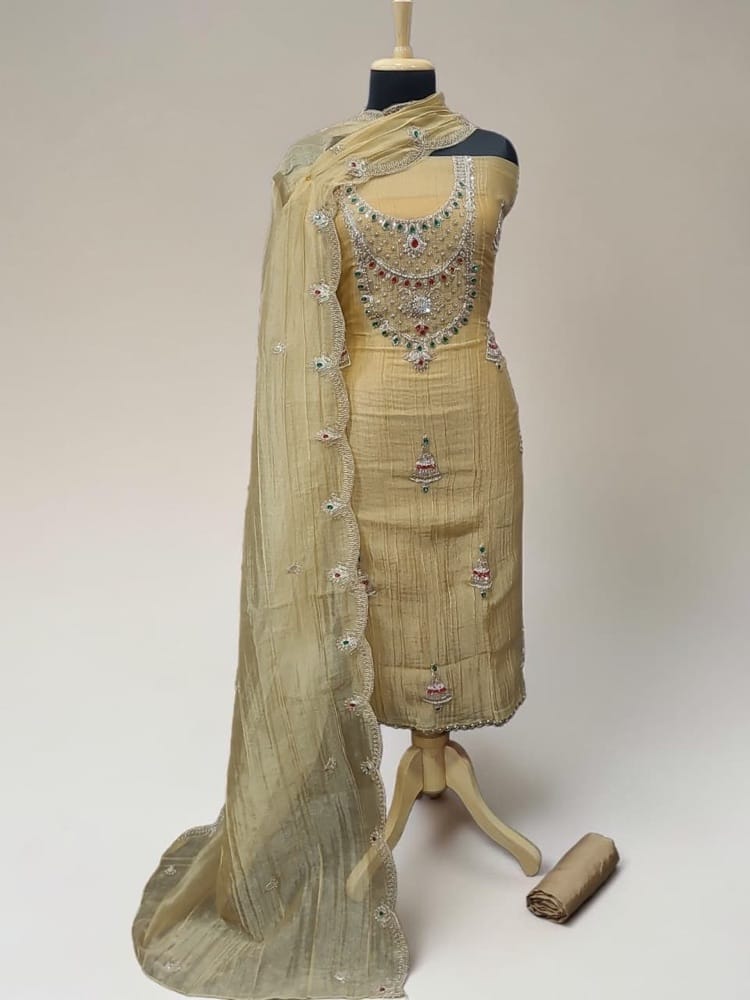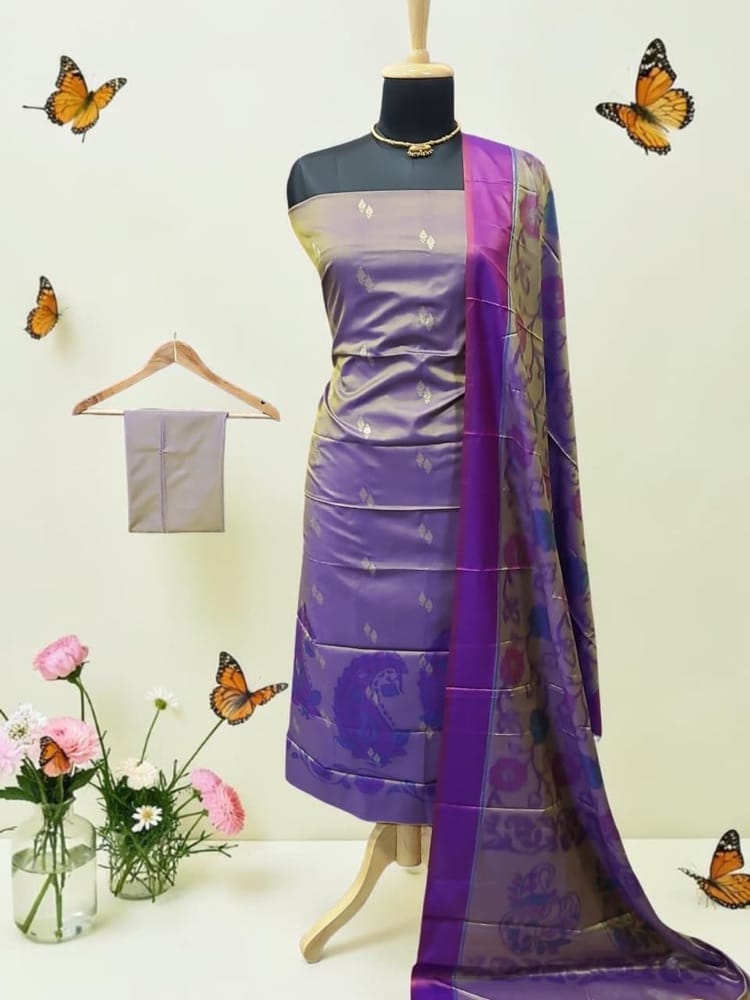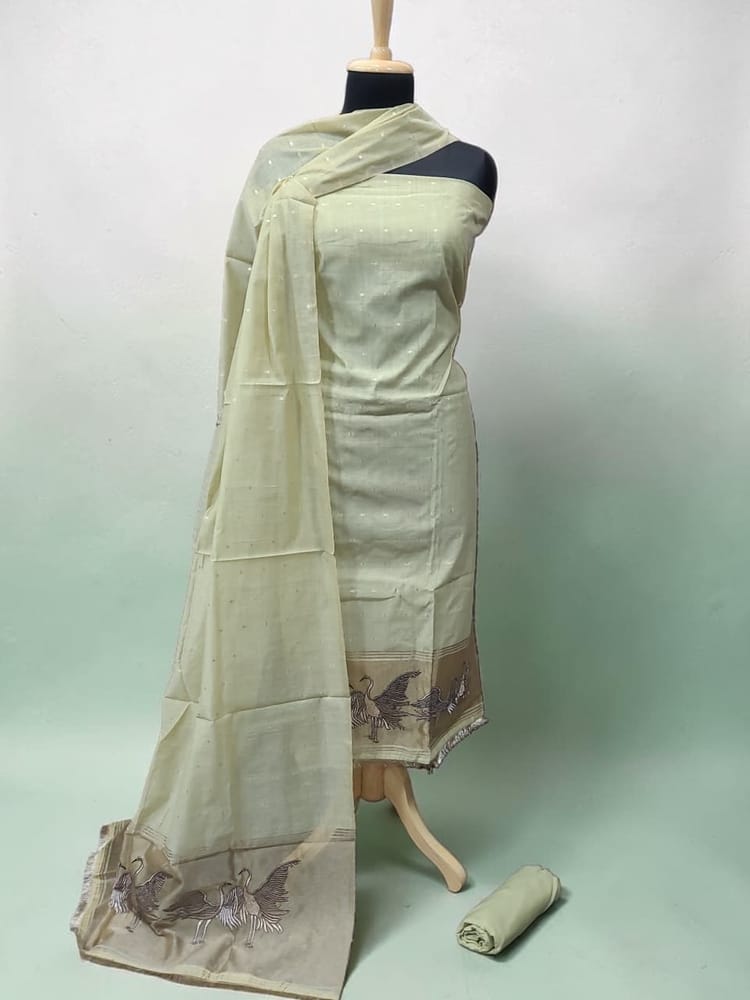
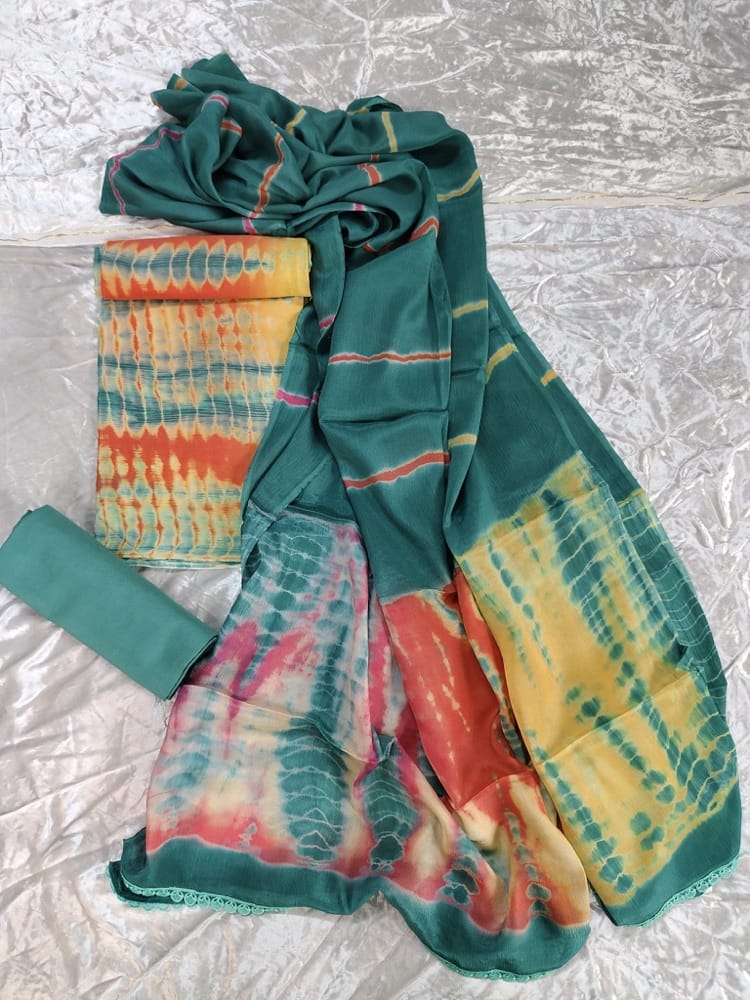
Most wardrobes are full of clothes that work once. The outfit that was perfect for one wedding is now the outfit everyone saw you in at that wedding, and it goes back in the cupboard for a year.
The pieces that earn their place are the ones that read differently depending on what you put with them. Not because they are plain — plain is its own kind of trap — but because the silhouette holds up under more than one kind of styling.
Change the shoe before you change anything else
A heel lengthens the line and pulls the hem up off the floor, which makes almost any silhouette read as evening. The same piece over flats sits lower, moves more, and reads as afternoon.
This is the cheapest change you can make and it does more than any accessory. If you are only going to do one thing, do this one.
Layer to change the shape, not the colour
A jacket over a fluid piece does something a dupatta cannot: it gives you shoulders and a defined waist where there was drape. The outfit stops being soft and becomes structured.
Keep the layer close in tone to what is underneath. A contrasting jacket reads as two outfits wearing each other; a related one reads as one considered thing.
Jewellery decides how Indian it looks
The same kurta with a pair of small gold hoops is contemporary. With jhumkas and a hand of bangles it is festive. Nothing about the garment changed.
This is the lever to reach for when you have one piece and two very different evenings. It costs nothing and it changes the register completely.
What not to do
Do not change everything at once. Four new elements at the same time produce an outfit nobody can read, including you. Change one thing, look, then change a second.